 FeaturedEPC and project delivery under one accountable contract.
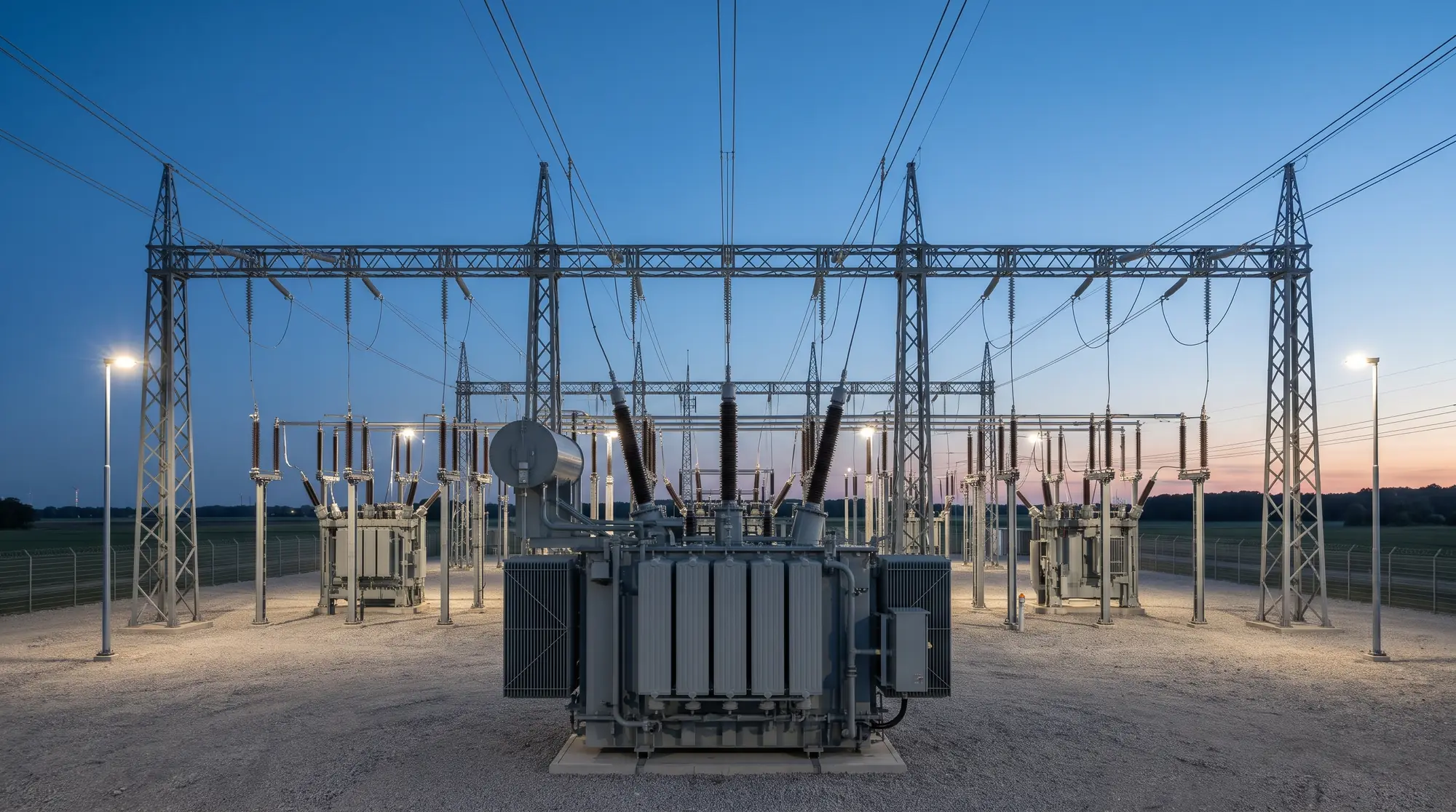
Batteries, inverters and energy management systems are connected devices. Two EU laws now shape how they are built, bought and operated: the NIS2 Directive and the Cyber Resilience Act. They are often mentioned together, but they ask different things of different people.
The short version
NIS2 is about you as an operator: how your organisation manages cyber risk and reports serious incidents. The Cyber Resilience Act is about the products you buy: what manufacturers must do before a connected product can be sold in the EU, and how they must handle vulnerabilities afterwards.
NIS2: obligations for operators
The NIS2 Directive (EU) 2022/2555 covers organisations in sectors the EU considers critical, and energy is one of them. Member states had to transpose it into national law by October 2024, so the exact obligations - and who falls in scope - are set by each country's implementing law.
For organisations in scope, the common themes are:
- Cyber risk-management measures proportionate to the risk, including supply-chain security
- Incident reporting to the national authority, starting with an early warning within 24 hours of becoming aware of a significant incident
- Accountability at management level for approving and overseeing those measures
The Cyber Resilience Act: obligations for products
The Cyber Resilience Act, Regulation (EU) 2024/2847, sets cybersecurity requirements for products with digital elements placed on the EU market. It entered into force on 10 December 2024 and applies in stages:
- From 11 September 2026, manufacturers must report actively exploited vulnerabilities and severe incidents - including for products already on the market.
- From 11 December 2027, the full requirements apply, including the essential cybersecurity requirements and CE marking.
NIS2 asks how you run your assets. The Cyber Resilience Act asks what you are allowed to buy.
What this means for an energy project
For an asset owner, the two laws meet at procurement. Equipment you buy now will be operated well past December 2027, so it is worth asking suppliers today:
- What is your plan for Cyber Resilience Act conformity, and when?
- How do you handle and report vulnerabilities, and how will you tell us?
- How long will you provide security updates for this product?
- Can you provide a software bill of materials?
On the operations side, check whether your organisation is in scope of your country's NIS2 law, and make sure your incident response plan says who decides, who reports and within what time.
How Parenergy helps
We map which rules apply to your project, build cybersecurity requirements into equipment specifications and supplier contracts, and prepare the documentation your operations team and auditors will need. See our regulation and certification service.
This article is general information, not legal advice. National implementation of NIS2 differs between member states; confirm your obligations with your legal advisers.